

How to adopt GS1 2D codes in commerce
Get ready for the next generation of barcodes
The global goal is that by 2027, point-of-sale terminals will be able to read both traditional EAN barcodes and 2D codes compliant with GS1 standards. GS1’s goal is to enable a smooth transition to the new generation of barcodes and ensure that retailers can take advantage of the opportunities it offers.
In addition to the product’s GTIN, a GS1 2D code can also contain other information, such as batch and date information. For the codes to function smoothly in everyday retail operations, implementation requires both technical capabilities and a decision regarding what information from the code the retailer wishes to utilise.
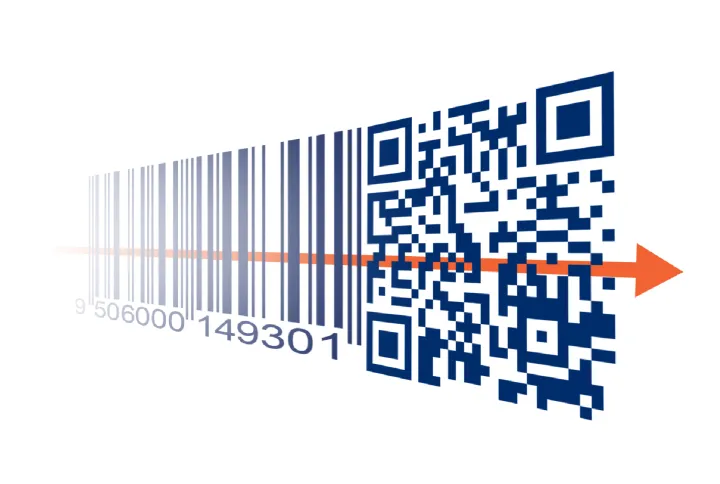
1. Make sure your POS terminals are capable of scanning 2D barcodes
Implementing GS1 2D codes requires that the store’s checkout terminals be capable of reading 2D codes. This may require software updates and, in some cases, hardware upgrades as well, if the current scanners are not 2D barcode scanners.
2. Decide what data from the GS1 2D code you want to use in your systems
A GS1 2D code contains at least a product identifier GTIN, such as an EAN barcode, as well as a web link. In addition, it may also contain other information, such as a batch number, date, or serial number. Before implementation, it is important to assess from a business perspective what data you want to read and store in your systems, and in which processes you will utilise it.
3. Make sure your systems are capable of processing the content of GS1 2D codes
In order for your company to utilise the data contained in a GS1 2D code, your POS system must be capable of both reading and correctly interpreting the GTIN contained within it.
And if you want to utilise other data from the GS1 2D code and also in systems other than your POS terminals, you must ensure that those systems are also capable of receiving, storing, and processing the data read from the GS1 2D code consistently throughout the entire process.
DO you have questions? Please contact us.
