

Data content of the GS1 2D code
Minimum data requirement: GTIN
As with the EAN barcode, the core of the GS1 2D code is the product’s unique GTIN. The GTIN indicates which product is concerned, and it is always the minimum data element in a GS1 2D code. In addition to the product code, the GS1 2D code contains a domain name and, if needed, other information.
Because the amount of data content affects the physical size of the GS1 2D code, it should be carefully limited according to real business needs.
Standard-compliant data structure
In accordance with the GS1 Digital Link standard, the data is included in the GS1 2D code in URI (Uniform Resource Identifier) format. In addition to the domain name, the URI contains GS1 standard identifiers, such as the product’s GTIN and possible additional data elements.
In this way, the GS1 2D code functions both as a product-identifying barcode and as a link to online content.
The order of the data in the URI is significant. The data content always progresses from more general to more specific. First, the product identification code (GTIN) is presented, after which additional data such as a batch number or serial number can be added. This ensures that the code first identifies the product and, if necessary, then specifies the batch or individual item.
The meaning and format of the data are defined in the URI using GS1 Application Identifiers (AI). These are standardised numeric identifiers that enable systems to understand what type of data the code contains and how it should be processed.
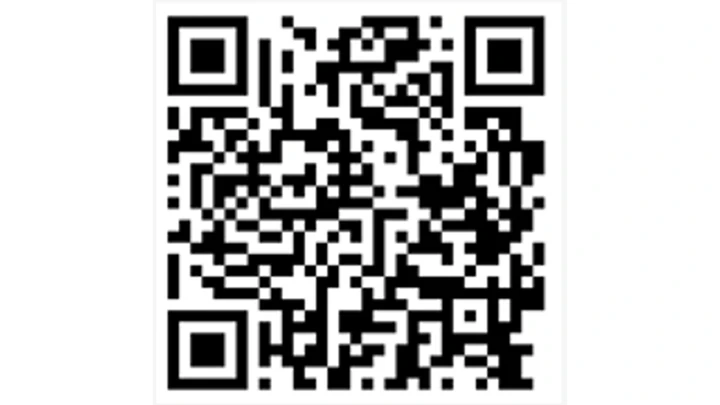
Example of GS1 2D code URI address
https://id.dalgiardino.com/01/09506000134352/10/2435?15=231221
The address contains the domain name https://id.dalgiardino.com, in addition to the following data defined using GS1 application identifiers:
- GTIN: /01/09506000134352
- Batch number: /10/2435
- Best before date: ?15=231221